Frequently Asked Questions
Is banh mi a fusion food?
Banh mi is indeed a fusion food, as it combines French colonial influences with traditional Vietnamese ingredients, resulting in a unique sandwich that blends flavors, textures, and culinary techniques from both cultures.
What ingredients make up banh mi?
The ingredients that make up banh mi include a crusty French baguette, typically filled with a variety of savory items such as marinated meats (like pork, chicken, or tofu), pickled vegetables, fresh cilantro, cucumber slices, and a spread of mayonnaise or pâté.
How is banh mi traditionally served?
Banh mi is traditionally served as a Vietnamese sandwich, consisting of a crisp baguette filled with a variety of ingredients, including meats, pickled vegetables, fresh herbs, and condiments, creating a perfect blend of flavors and textures.
What are common banh mi variations?
Common banh mi variations include the classic Vietnamese pork, chicken, beef, and vegetarian options, often accented with pickled vegetables, fresh herbs, and spicy condiments, allowing for a range of flavors and textures in each sandwich.
Where to find authentic banh mi?
The best places to find authentic banh mi are Vietnamese restaurants that specialize in this dish, local markets with Vietnamese vendors, or food trucks known for their traditional recipes. Be sure to look for freshly baked baguettes and classic fillings.
What types of bread are used in banh mi?
The types of bread used in banh mi typically include a light, airy baguette or a Vietnamese roll, both featuring a crispy crust and soft interior, ideal for holding various fillings.
Is banh mi considered a street food?
Banh mi is widely considered a street food, originating from Vietnam as a popular on-the-go meal, featuring a baguette filled with various flavorful ingredients. Its accessibility and portability make it a beloved street food choice.
How did banh mi originate?
The origin of banh mi can be traced back to the French colonial period in Vietnam, where intersecting culinary influences combined French baguettes with local ingredients, creating a unique and flavorful sandwich enjoyed across the country.
What sauces are commonly used in banh mi?
The sauces commonly used in banh mi include hoisin sauce, sriracha, mayonnaise, and chili sauce, which enhance the sandwich’s flavor with a balance of sweet, spicy, and creamy elements.
Can banh mi be vegetarian?
Banh mi can be vegetarian. By substituting traditional meats with a variety of delicious vegetable options, tofu, or plant-based proteins, you can enjoy this iconic Vietnamese sandwich while adhering to a vegetarian diet.
How popular is banh mi outside Vietnam?
Banh mi has gained significant popularity outside Vietnam, particularly in Western countries, where it is celebrated for its unique fusion of flavors and textures, making it a trendy choice among food enthusiasts and street food lovers.
What is the history of banh mi?
The history of banh mi is a rich blend of Vietnamese and French culinary influences. Originating during French colonialism in Vietnam, it combines a French baguette with local fillings like meats, vegetables, and sauces, evolving into a beloved street food.
What meats are often included in banh mi?
Banh mi typically includes a variety of meats, such as pork (often grilled, roasted, or in the form of terrine), chicken, beef, or even pâté, providing a rich blend of flavors in each sandwich.
How does banh mi differ from other sandwiches?
Banh mi differs from other sandwiches in its unique combination of French and Vietnamese influences, featuring a crispy baguette filled with savory meats, fresh vegetables, and distinctive herbs, creating a bold and flavorful experience unlike typical deli sandwiches.
What fusion influences appear in banh mi?
The fusion influences in banh mi primarily stem from French colonialism in Vietnam, combining Vietnamese ingredients like pickled vegetables and cilantro with French elements such as baguettes and pâté, resulting in a unique and flavorful sandwich experience.
Are there gluten-free options for banh mi?
Gluten-free options for banh mi are available. We offer a selection of gluten-free bread alternatives to ensure that everyone can enjoy our delicious banh mi sandwiches without compromising their dietary needs.
How to make banh mi at home?
Making banh mi at home involves preparing a baguette, layering it with protein (like grilled pork or tofu), adding pickled vegetables, fresh herbs, and a spread such as mayonnaise or pate for a delicious Vietnamese sandwich experience.
What vegetables are typically added to banh mi?
The vegetables typically added to banh mi include pickled carrots, daikon radish, fresh cucumber slices, and cilantro, all of which contribute to the sandwich's vibrant flavors and crunchy textures.
How do flavors balance in banh mi?
The balance of flavors in banh mi comes from the harmonious combination of savory meats, fresh vegetables, tangy pickles, and aromatic herbs, all complemented by a spread of spicy mayonnaise or pâté, creating a delicious and complex taste experience.
What drinks pair well with banh mi?
The best drinks that pair well with banh mi include refreshing iced tea, herbal teas, or a light beer, as they complement the sandwich's savory flavors and bright ingredients without overwhelming them.
What is the cultural significance of banh mi?
The cultural significance of banh mi lies in its representation of Vietnam's colonial history and culinary fusion. This iconic sandwich blends French influences with traditional Vietnamese ingredients, symbolizing resilience and the creative adaptation of diverse culinary traditions.
How has banh mi evolved over time?
The evolution of banh mi has been influenced by historical changes in Vietnam, blending French colonial elements with local ingredients, resulting in a unique fusion of flavors and textures that continues to diversify with contemporary culinary trends.
What role does pickled vegetables play in banh mi?
Pickled vegetables are essential in banh mi, providing a contrasting crunch and tangy flavor that balances the savory components of the sandwich. Their acidity highlights the overall taste, enhancing the unique culinary experience of this Vietnamese dish.
Can banh mi be made with seafood?
Banh mi can indeed be made with seafood. Many variations feature fresh ingredients like shrimp, fish, or squid, offering a delicious twist on this traditional Vietnamese sandwich.
How do chefs innovate with banh mi?
Chefs innovate with banh mi by experimenting with unique fillings, creative sauces, and diverse breads, blending traditional Vietnamese flavors with global cuisine influences to create exciting new variations that cater to modern tastes.
What are common side dishes for banh mi?
Common side dishes for banh mi include pickled vegetables, fresh herbs, and occasionally chips or fries, which complement the sandwich's flavors and textures. Additionally, you might find soup or salads served alongside for a complete meal experience.
How is banh mi presented in restaurants?
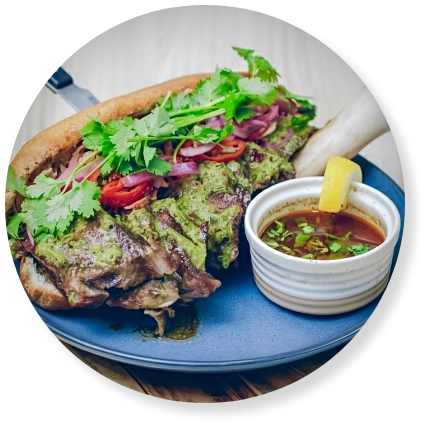
Banh mi is typically presented in restaurants as a vibrant sandwich, showcasing a crusty baguette filled with a variety of ingredients like marinated meats, fresh vegetables, and herbs, often accompanied by pickled carrots and daikon for added flavor.
What nutritional value does banh mi offer?
The nutritional value of banh mi includes a balanced combination of protein from meats, fiber from vegetables, and carbohydrates from the bread, making it a flavorful choice that can provide essential vitamins and minerals.
How is banh mi gaining global recognition?
Banh mi is gaining global recognition due to its unique blend of flavors, fresh ingredients, and cultural significance, appealing to diverse palates and contributing to the popularity of Vietnamese cuisine worldwide.
What defines a great banh mi sandwich?
A great banh mi sandwich is defined by its perfect balance of crispy baguette, savory proteins, and fresh vegetables, complemented by aromatic herbs and zesty sauces that create a harmonious explosion of flavors and textures.